Criminal & DUI Attorney
Best of OC Magazine: Best Criminal Lawyer/Firm 2026
Best of OC Magazine: Best Criminal Lawyer/Firm 2026
Orange County Register







California Proposition 36, approved by voters in November 2024, changed California’s treatment of certain drug and theft offenses.
The law increased potential consequences for certain repeat theft offenses, certain drug offenses, and specified drug-trafficking conduct. It also created a treatment-focused process for certain people charged with qualifying drug-possession offenses who have qualifying prior convictions.
Because Proposition 36 is highly fact-specific, the fact that someone is charged with theft or drug possession does not automatically mean the person will face a felony or a particular sentence.
The details of the current charge, prior convictions, the alleged conduct, the value of property involved, the substance involved, and other facts all matter.
Among other changes, Proposition 36 can:
The law does not simply turn every misdemeanor theft or drug-possession case into a felony.
The specific statutory requirements must be examined in each case.
Potentially.
California law generally treats theft involving property valued at $950 or less differently from higher-value theft. Proposition 36 created circumstances in which certain theft offenses involving property valued at $950 or less can be charged as felonies when the defendant has qualifying prior theft convictions.
The prior convictions matter.
An attorney should examine the defendant’s complete criminal history rather than assuming that any prior theft-related conviction automatically triggers the enhanced consequences.
Shoplifting can be affected by Proposition 36 when the statutory requirements are met.
For example, certain repeat offenders with qualifying prior theft convictions may face felony exposure even when the value of the property involved is $950 or less.
A shoplifting arrest should therefore be evaluated in light of:
Proposition 36 created a new treatment-focused felony process for certain repeat drug-possession cases.
Under the law, certain people accused of possessing specified controlled substances who have qualifying prior drug convictions may face a treatment-mandated felony proceeding.
Depending on the circumstances, successful completion of the required treatment can result in dismissal of the charge.
Failure to complete the applicable treatment requirements can result in additional criminal consequences.
The eligibility requirements are specific, so someone accused of drug possession should not assume that Proposition 36 automatically applies—or does not apply—to their case.
Proposition 36 includes provisions involving specified controlled substances, including certain “hard drugs” such as fentanyl, heroin, cocaine, and methamphetamine.
The exact substance alleged, the quantity, the charge filed, and the defendant’s prior convictions can affect the potential consequences.
Drug cases can also involve separate issues involving possession for sale, transportation, trafficking, firearms, or other allegations.
Not necessarily.
Proposition 36 increases potential consequences in specified circumstances, but the outcome of an individual case depends on the offense, prior convictions, charging decisions, available defenses, and the resolution of the case.
Some qualifying drug-possession cases involve a treatment-focused process rather than simply imposing a conventional sentence.
An attorney should evaluate the actual charging documents and criminal history before predicting the likely outcome.
Proposition 36 includes several provisions concerning fentanyl and other specified controlled substances.
The law increased consequences for certain drug-trafficking conduct and created additional sentencing provisions involving specified quantities and circumstances.
Cases involving fentanyl can therefore carry substantially different consequences depending on whether the allegation involves simple possession, possession for sale, transportation, sale, trafficking, or other conduct.
Proposition 36 also created or expanded consequences associated with certain drug sales or distribution when another person suffers serious injury or death from using the substance.
These cases can be extremely serious and should be evaluated immediately by an experienced criminal-defense attorney.
The law also addresses certain theft or property-damage conduct involving three or more people acting together.
Under specified circumstances, additional sentencing consequences may apply.
The facts matter, including:
A Proposition 36 case should be evaluated at the beginning of the prosecutionrather than after a defendant has already entered a plea.
Potential defense strategies depend on the specific case but may involve:
If you are not a U.S. citizen, Proposition 36 can make the consequences of a drug or theft case more complicated.
A felony conviction, drug conviction, theft-related conviction, sentence, or plea may have immigration consequences depending on the exact offense and circumstances.
Noncitizens should tell their criminal-defense attorney about their immigration status before accepting a plea.
Where appropriate, the proposed disposition should also be reviewed by qualified immigration counsel.
A Proposition 36 case may involve more than simply deciding whether to plead guilty.
The charging decision, prior convictions, treatment eligibility, potential sentencing exposure, immigration consequences, and possible defenses should all be considered together.
The earlier these issues are identified, the more opportunity there may be to pursue an appropriate resolution.
Wais Azami represents clients facing criminal charges throughout Orange County, including drug and theft allegations that may involve Proposition 36.
The Law Office of Wais Azami can evaluate the allegations, prior criminal history, available evidence, and potential defenses and help determine what options may be available.
Call (714) 321-9999 to schedule a consultation.
Law Office of Wais Azami
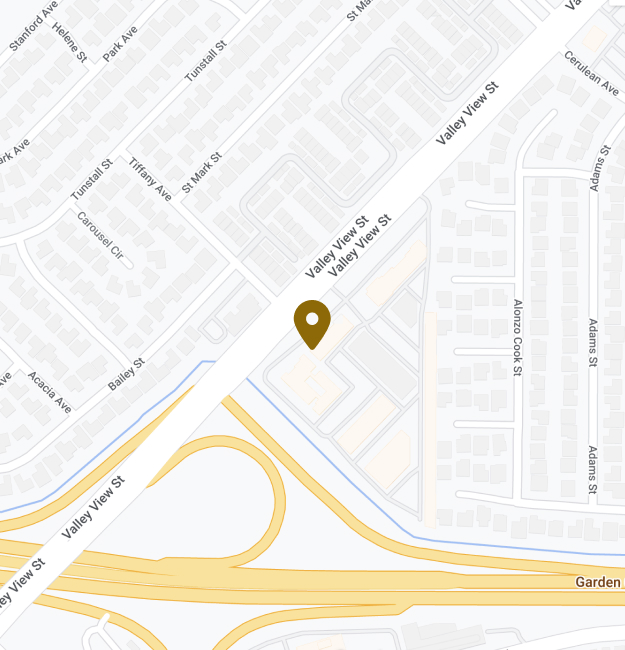
12832 Valley View St. #203
Garden Grove, CA 92845
(714) 321-9999
By Appointment Only
This page provides general information about California Proposition 36 and is not legal advice. The law is complex and its application depends on the specific facts, charges, prior convictions, and procedural posture of each case. The information on this page should not be used to predict the outcome of an individual criminal case.

Garden Grove, CA 92845