Criminal & DUI Attorney
Best of OC Magazine: Best Criminal Lawyer/Firm 2026
Best of OC Magazine: Best Criminal Lawyer/Firm 2026
Orange County Register







If you have been arrested or cited for driving under the influence in Orange County, the decisions you make immediately after the arrest can affect both your driver’s license and your criminal case.
Attorney Wais Azami represents clients throughout Orange County in DUI cases, including first-time DUI charges, repeat DUI offenses, DUI involving accidents or injuries, drug-related DUI allegations, and cases involving potential immigration consequences.
Mr. Azami regularly handles both the criminal court case and the separate driver’s-license proceedings before the California Department of Motor Vehicles (DMV). His recent DUI work includes obtaining a wet-and-reckless disposition in a 2026 Orange County case involving an alleged .15 BAC and successfully defending a client at an Administrative Per Se (APS) hearing involving a chemical-test refusal.
Every DUI case is different. The facts surrounding the traffic stop, field sobriety testing, chemical testing, arrest, prior convictions, and any accident or injury can substantially affect the available defenses and potential consequences.
If you have been arrested for DUI, consider taking the following steps:
A DUI creates two related but separate legal problems: the criminal case and the DMV license proceeding. Resolving one does not necessarily resolve the other.
An Administrative Per Se (APS) hearing is a DMV proceeding concerning the driver’s license following certain DUI arrests.
The DMV proceeding is separate from the criminal prosecution. Depending on the circumstances, issues at an APS hearing may include whether the officer had lawful grounds for the arrest, whether the person was lawfully arrested, whether a chemical test was properly administered, and whether the applicable statutory requirements were satisfied.
The deadlines associated with an APS proceeding can be short. If you have received a temporary license or other DMV paperwork following a DUI arrest, contact an attorney promptly to determine what deadlines apply to your case.
Attorney Wais Azami represents clients in DUI-related DMV proceedings and can coordinate the DMV matter with the criminal defense strategy when appropriate.
The answer depends on the circumstances of the arrest, the DMV proceeding, your prior DUI history, whether you have been convicted in court, and the applicable California DMV requirements.
Depending on the circumstances, a driver may have options involving:
The criminal court case and DMV case should be evaluated separately. A favorable result in one proceeding does not automatically guarantee a favorable result in the other.
California’s implied-consent laws can create significant consequences when a driver refuses a required chemical test after a lawful DUI arrest.
However, a “refusal” case can involve important factual and legal questions. For example, an attorney may examine:
Do not assume that a DMV suspension is unavoidable simply because the paperwork says “refusal.” The facts of the individual case matter.
California law permits law-enforcement agencies to operate DUI checkpoints, but checkpoints are subject to constitutional and statutory requirements.
For example, courts may examine how the checkpoint was planned and operated, how vehicles were selected for screening, whether adequate safety measures were used, and whether officers followed applicable procedures.
If you were arrested at a DUI checkpoint, an attorney can examine whether the checkpoint and the subsequent detention complied with the law.
California DUI charges can arise under several provisions of the Vehicle Code.
Common allegations include:
The specific charge, available evidence, prior convictions, and circumstances of the arrest can substantially change the potential consequences.
Yes.
California has separate theories of DUI liability. A person can be accused of driving while impaired even when the prosecution is not relying solely on a BAC of 0.08% or higher.
That means a DUI defense should not be reduced to a single question such as “What was the BAC?”
An attorney may need to evaluate:
Field sobriety testing and chemical testing are not the same thing.
A person should not assume that declining a roadside field sobriety exercise has the same legal consequences as refusing a post-arrest chemical test.
The precise circumstances matter, including whether the person was already under arrest, what type of test was requested, and what advisements were provided.
If you are unsure what your rights were during a DUI investigation, discuss the circumstances with a California DUI attorney.
There is no single DUI defense that applies to every case.
Depending on the evidence, potential issues may include:
The prosecution must establish the legal basis for the initial detention. If the traffic stop was unlawful, evidence obtained as a result may be subject to challenge.
The defense may challenge whether the prosecution can prove that alcohol, drugs, or a combination of substances actually impaired the driver’s ability to operate the vehicle.
An attorney may investigate the collection, handling, timing, analysis, calibration, maintenance, and interpretation of breath or blood evidence.
The timing of drinking, driving, and chemical testing can sometimes be important to the interpretation of BAC evidence.
Field sobriety exercises are not infallible. Physical limitations, medical conditions, footwear, weather, lighting, road conditions, nervousness, and the manner in which the tests were administered can all be relevant.
An attorney may also investigate whether law enforcement complied with required procedures and constitutional protections.
Potential consequences depend on whether the case involves a first offense, a prior DUI, an accident, injury, death, high BAC allegations, chemical-test issues, probation, or other aggravating circumstances.
Potential consequences can include:
Because California DUI sentencing and DMV requirements can change, the precise consequences should be evaluated based on the law applicable to your case rather than relying on a generic penalty chart.
Many DUI cases are misdemeanors, but certain circumstances can result in felony charges.
Felony DUI allegations may arise in circumstances involving prior felony DUI convictions, certain repeat offenses, or DUI cases involving serious injury or death.
Whether a particular DUI should be charged as a felony depends on the facts, the defendant’s criminal history, the alleged injuries, and the applicable statutes.
A DUI can affect more than your criminal record.
Depending on the circumstances, a DUI may create issues involving:
If you are not a U.S. citizen, tell your criminal-defense attorney about your immigration status before entering a plea. A criminal disposition that appears favorable from a purely criminal-law perspective can have consequences under immigration law.
There is no single fee that applies to every DUI case.
Attorney fees can depend on factors such as:
The total financial cost of a DUI can also include court fines and assessments, DUI education, towing and impound fees, insurance increases, DMV requirements, and other expenses.
During a consultation, we can discuss the circumstances of your case and the expected scope of representation.
A local attorney can provide familiarity with Orange County courts, prosecutors, DMV proceedings, and the practical procedures involved in handling DUI cases.
Wais Azami represents clients at Orange County courts and has substantial experience defending DUI allegations and appearing in related DMV proceedings.
His goal is to identify weaknesses in the prosecution’s case, protect the client’s rights, and pursue the best realistic outcome based on the evidence.
Possible outcomes can include dismissal, reduction of charges, a favorable plea resolution, avoidance or reduction of certain penalties, or success in a DMV proceeding. No attorney can guarantee a particular result.
Do not assume that a DUI arrest automatically means you will be convicted.
The facts of the traffic stop, arrest, testing, and prosecution matter.
If you have been arrested for DUI in Orange County, contact the Law Office of Wais Azami at (714) 321-9999 to discuss your case.
Law Office of Wais Azami
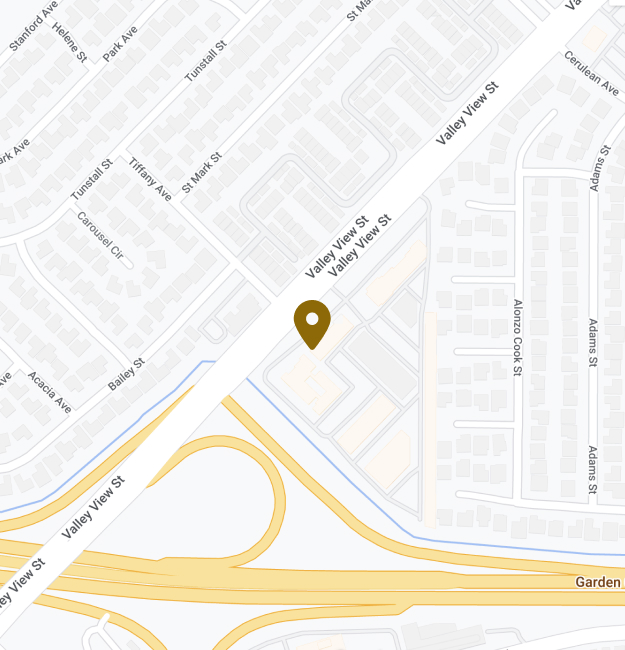
12832 Valley View St. #203
Garden Grove, CA 92845
(714) 321-9999
By Appointment Only
This page provides general information about California DUI law and is not legal advice. California DUI and DMV laws can change, and the outcome of a particular case depends on its specific facts. Information on this page should not be relied upon as a substitute for consultation with a qualified attorney. No attorney-client relationship is created by reading this page, contacting the firm, or submitting information through the website.
Garden Grove, CA 92845